
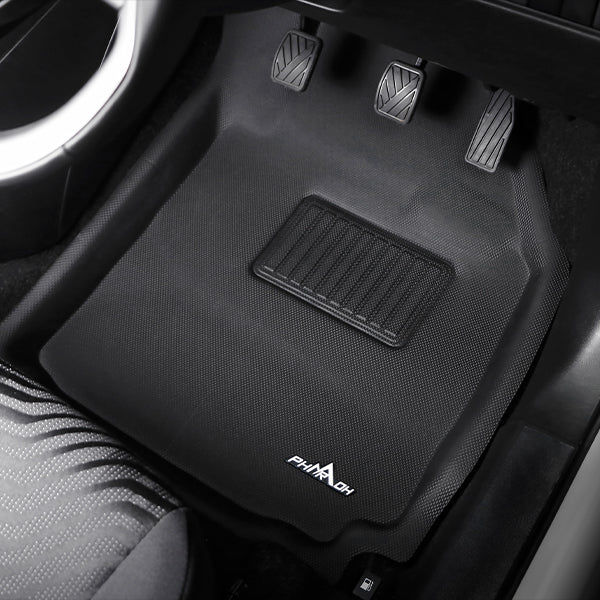
Your car's floor mats take more punishment than any other surface in the cabin. Every time you get in after a walk through a wet parking lot, every takeaway spill, every time your child's muddy shoes make contact with the footwell — the mat catches it all. If you have 3D car floor mats made from TPE, the good news is that cleaning them is genuinely easy. The raised edges contain the mess. The non-porous surface releases dirt without absorbing it. And the whole process takes less than five minutes. This guide walks through the exact cleaning process, how often to do it in each Indian season, and what mistakes to avoid that could shorten the life of your mats.

Tools You Need Before You Start
You do not need special products to clean a TPE 3D mat. Here is the complete list:
Essential: A bucket of water or access to a garden hose or tap. A soft-bristle brush or an old toothbrush for textured areas. A microfibre cloth or regular cotton cloth for drying. Mild dish soap or car interior cleaner.
Optional but useful: A pressure washer on a low setting (under 40 bar) for monsoon season deep cleans. A rubber squeegee for pushing standing liquid off the mat surface faster. A mat hanger or drying rack so the mat dries evenly without curling at the edges.
What you do NOT need: Chemical solvents (acetone, thinner, petrol). Bleach or chlorine-based cleaners. Stiff wire brushes. Steam cleaners at high temperature settings. These will not help and can damage the mat's surface texture or cause the material to discolour.
The 5-Step Cleaning Process
This process works for routine cleaning after daily use. For deep cleaning after a monsoon season or a major spill, follow the same steps but add a 2-minute soak after step two.
Step 1 — Remove the mats from the car. Unclip the driver-side mat from the OEM anchor pin by pressing the grommet downward and rotating slightly. Lift all four mats out of the car. If you try to clean the mats in place, you will push dirt from the mat into the carpet underneath — exactly what you are trying to prevent.
Step 2 — Shake or rinse off loose dirt. Hold each mat vertically and give it a firm shake to dislodge loose dust, crumbs, and dried mud. If the mat has significant mud on it from a monsoon drive, rinse it under running water first to break up the caked dirt before scrubbing. The raised 20mm edges may hold pooled liquid — tip the mat to drain it before shaking.
Step 3 — Scrub with soapy water. Mix a few drops of mild dish soap into a bucket of water. Dip your soft-bristle brush and scrub the mat surface using circular motions. Pay particular attention to the textured areas — the hexagonal or ribbed patterns that provide traction also catch fine dust particles. The carbon-textured surface on Pharaoh mats releases dirt easily because the TPE is non-porous; nothing is absorbed into the material itself.
Step 4 — Rinse thoroughly. Rinse the mat under running water until all soap residue is gone. Soap residue left on the surface can make the mat feel slightly sticky after it dries. Turn the mat over and rinse the underside as well — the anti-slip texture on the bottom can collect fine grit from the car carpet.
Step 5 — Dry and reinstall. Shake off excess water and either air-dry the mat in sunlight for 10 to 15 minutes or wipe it dry with a microfibre cloth. TPE does not absorb water, so drying is fast. Once dry, reinstall the driver-side mat first — clip the grommet onto the OEM anchor pin and press down to confirm it is locked. Then place the remaining mats in their positions.
Cleaning Frequency for Indian Seasons
India's climate varies dramatically across regions and seasons. Here is a practical guide to cleaning frequency based on the conditions your mat is dealing with.
Monsoon Season (June to September)
This is when your mats work the hardest. Wet shoes, muddy footwells, and standing water from open doors all concentrate on the mat surface. During monsoon, clean your mats once a week at minimum. If you park in an area with particularly muddy access or if you have children or a dog that rides regularly, clean every 3 to 4 days. After heavy rain days, check the raised edges — if they are holding pooled water, remove the mats and drain them that evening rather than letting the water sit overnight. Even though TPE does not absorb the water, sitting water can transfer onto the original carpet if the mat is slightly lifted during a sharp turn.
Summer (March to May): Cleaning frequency can drop to every 10 to 14 days. Dust is the primary issue rather than moisture. Use a dry microfibre cloth to wipe the surface every few days if you park in dusty conditions. A full wash every two weeks is sufficient for most users.
Winter (November to February): Once every 2 to 3 weeks is adequate for most Indian cities. In northern India where morning dew is heavier and condensation can be significant, once a week is better. Do not let mud from foggy-day drives dry and harden on the mat — dried mud is harder to remove than fresh mud.
Year-round baseline: Regardless of season, wipe the mat surface with a damp cloth once a week. This 60-second task prevents the gradual build-up of fine dust that makes mats look dull and faded even when they are structurally sound.

What NOT to Do When Cleaning 3D Car Floor Mats
Do not use chemical solvents. Petrol, acetone, paint thinner, or strong alcohol will dissolve the surface texture of TPE and leave the mat feeling rough and sticky. These chemicals are also a fire risk inside a car.
Do not use a stiff wire brush. The textured surface of a TPE mat is designed with a specific pattern that provides both grip and drainage. A wire brush will scratch this texture and reduce its effectiveness.
Do not leave the mat in direct sunlight for hours after cleaning. Brief drying in sunlight for 15 to 20 minutes is fine. Leaving a freshly washed mat in intense summer sun (50°C+) for several hours is unnecessary and can cause slight surface discolouration in some colours. TPE is rated to 80°C, so the material itself is not at risk, but the colour may fade slightly with prolonged UV exposure over many years.
Do not reinstall a wet mat. A damp mat installed back in the car can transfer moisture to the original carpet underneath. The whole point of the mat is to keep the carpet dry. Ensure the mat is fully dry or wiped dry before reinstalling.
Do not fold or crease the mat during storage or drying. TPE mats have a memory for their moulded shape. Folding them sharply along a crease — particularly in cold weather — can create a permanent fold mark. Lay them flat or roll them loosely if storage is needed.
How This Compares to Cleaning 7D or Fabric Mats
Cleaning a PU foam 7D mat or a fabric mat is a fundamentally different — and more difficult — task. The fabric top layer traps fine dust particles that cannot be shaken out or rinsed away easily. You need a vacuum cleaner as a first step. The foam layer absorbs moisture during cleaning and takes hours to dry fully — reinstalling a damp foam mat is a direct invitation for mould growth under the mat. Deep stains from chai, food oils, or mud often cannot be fully removed from fabric without a steam cleaner or specialised upholstery shampoo. And even after thorough cleaning, foam mats often retain a musty smell if they were not dried completely.
A TPE mat has none of these problems. There is no fabric layer to trap dust. There is no foam layer to absorb moisture. Stains from food or liquids sit on the non-porous surface and are removed with a single wipe or a 30-second rinse. The entire cleaning process from removal to reinstallation takes 5 minutes for a casual clean and 10 to 15 minutes for a full monsoon-season wash.
Long-Term Maintenance: Making Your Mats Last 8 to 10 Years
Pharaoh's TPE mats are rated for 8 to 10 years of use, but achieving the upper end of that range requires basic long-term care beyond regular cleaning. Once every 6 months, check the OEM anchor pin grommet on the driver-side mat for wear. If the grommet is loose or cracked, replace it — it is a small plastic component that keeps your mat locked in a safety-critical position. Once a year, check the raised edges for any minor splits or compression. TPE does not crack under normal conditions, but extremely sharp impacts (from heavy luggage placed in the footwell) can create small stress marks over time. A mat in good condition with no edge damage will continue to contain liquids effectively throughout its rated lifespan.
Frequently Asked Questions
Can I wash 3D car floor mats in a washing machine?
No. The agitation cycle in a washing machine can distort the moulded shape of 3D mats. Wash them by hand with a soft brush and mild soap. The process takes under 5 minutes and works better than any machine wash.
How do I remove dried mud from a 3D car mat?
Soak the mat under running water for 2 to 3 minutes to re-hydrate the dried mud. Then scrub with a soft brush and mild soap. For deeply embedded grit in the textured surface, use an old toothbrush. Dried mud releases cleanly from TPE because the material is non-porous.
Can I use a pressure washer on my 3D car mats?
Yes, at a low pressure setting under 40 bar. High-pressure jets above this level can lift or distort the surface texture over time. A standard garden hose is perfectly sufficient for routine cleaning.
My 3D mat smells after cleaning. What went wrong?
A smell after cleaning usually means the mat was not rinsed thoroughly and soap residue is drying on the surface. Rinse again under running water until the water runs clear. Food-grade TPE itself is completely odourless — any smell comes from surface residue, not the material.
How long do 3D car mats take to dry?
A TPE mat dries in 10 to 15 minutes in sunlight or 20 to 30 minutes in shade. Because TPE does not absorb water, drying is mostly about removing surface moisture. A quick wipe with a microfibre cloth cuts drying time to under 5 minutes.
If you are ready to switch from fabric or foam mats to a TPE 3D mat that cleans in minutes, browse the full range at our 3D car floor mat collection. Pharaoh covers 80+ Indian car models with free shipping across India and dispatch within 1 to 2 business days from Bengaluru. You can also visit our floor mat information page to learn more about the material and construction.
Frequently Asked Questions
Can I wash 3D car mats with soap?
Yes, mild soap is fine for stubborn stains, but it is rarely necessary. For most cleaning, plain water is all you need - the TPE surface does not absorb dirt, so it rinses clean easily. Avoid harsh chemical cleaners that can dull the surface finish over time.
How often should I clean car floor mats in India?
During the monsoon season (June-September), clean every week or after drives through mud and waterlogged roads. During dry months, once a month is sufficient for regular use. Clean immediately after any major mud or spill incident to prevent drying and hardening.
Can I put 3D car mats in the washing machine?
You can, but it is not necessary and not recommended. The agitation cycle can stress the mat's moulded shape. Rinsing under a tap achieves the same result in 3 minutes with no risk to the mat.
How do I remove dried mud from 3D car mats?
Let the mud dry completely, then flex the mat gently to crack it loose. Rinse with water and use a soft brush on any stubborn spots in the textured channels. Do not scrape with hard tools - the surface finish can scratch.
How long do 3D mats take to dry?
2-3 minutes in open air. TPE does not absorb water, so there is no drying time in the traditional sense - just surface moisture that evaporates quickly. This is fundamentally different from fabric or PU foam mats that can take hours to dry fully.
Share:
Best 3D Car Floor Mats in India 2025: Complete Buyer's Guide
Rubber vs 3D Car Floor Mats: Which Should You Buy in India?